Understand what’s really happening inside your organization
You know something isn’t working in your organization. But you don’t know why. You want answers, fast. But what if you actually need to start with better questions?
Inquiry Practice helps you ask the right questions to uncover what’s really going on in your organization. Through qualitative research, employee and stakeholder interviews, and program evaluation, we get beneath the surface of organizational challenges to understand what people are experiencing, why problems persist, and what needs to change. So you know what’s happening, why, and what to do about it.
The best solutions start with the right questions.

You know something’s not working. You need to understand why.

Maybe employee feedback is telling you something isn’t working, but you don’t know why.
Perhaps a program has been running, yet you don’t have a clear picture of its impact.
You’re planning a change and need to understand how employees or stakeholders will experience it.
Or you have interviews, surveys, reports and other information, but no clear picture of what it all means.
Knowing there’s a problem is one thing. Understanding why it’s happening is another.
Inquiry Practice helps you figure out the why—by listening to the people closest to the problem, asking the right questions, and finding the patterns that point to what’s really going on and what to do next.
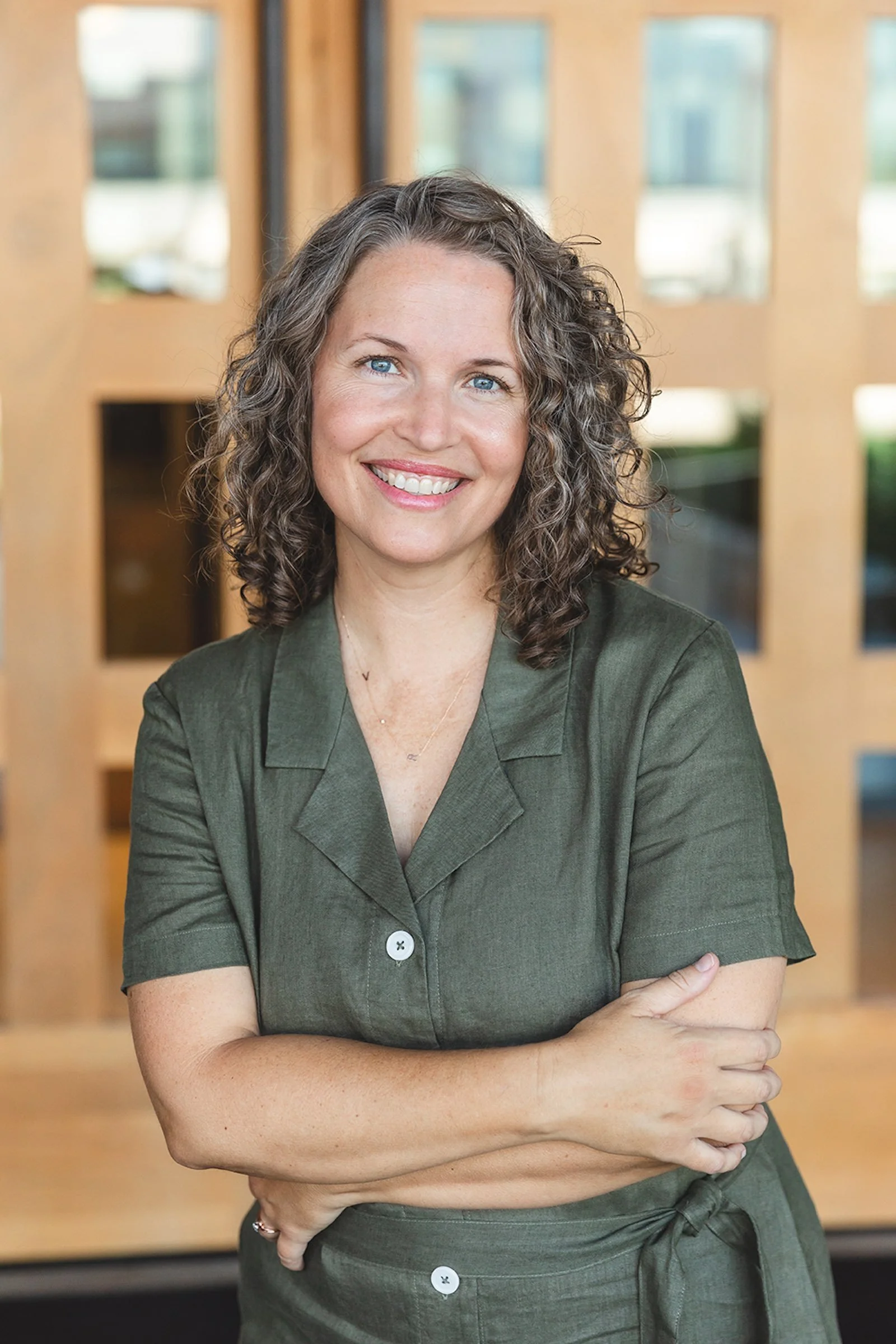
About Liz
For more than 15 years, I’ve researched how organizations work and how people experience them. Not from the outside, but by listening to the people who work inside them.
I know how difficult it can be to understand what’s really happening when the data tells only part of the story. Employee experiences are complex, organizational problems rarely have a single cause, and the most important perspectives aren’t always the easiest ones to hear.
My PhD-trained background in organizational and qualitative research has taught me how to make sense of that complexity. My work draws on qualitative research, in-depth employee interviews, and careful analysis to understand employee experience and organizational culture.
I help leaders ask the right questions, hear perspectives they may be missing, and identify patterns that explain what’s happening and why. That deeper understanding helps leaders make decisions grounded in evidence rather than assumptions.
A better way to understand what’s happening
Curiosity comes before certainty.
When something isn’t working, it’s tempting to jump quickly to an explanation or solution. But before you can understand what’s really happening, you need to stay curious long enough to explore what employees and stakeholders are actually experiencing—and what you may not be seeing yet.
Data tells you what. People help you understand why.
Organizational data and people’s experiences tell different parts of the story. Metrics reveal patterns. Qualitative research and employee interviews help us understand the experiences behind them.
Both matter.
Listening is strategic work.
The people closest to the work often understand organizational challenges before they show up clearly in the data. Systematically listening to employees and stakeholders can uncover barriers, needs, and opportunities leaders might otherwise miss, giving you a fuller picture of what’s happening.
Better decisions begin with better understanding.
You don’t always necessarily need more information. You need evidence that helps you decide what to do next. When you understand both the patterns in your data and the experiences behind them, you can make decisions about culture, change, and employee experience that are grounded in evidence, instead of assumptions.
That’s the work of Inquiry Practice.

How we understand what’s really happening
Every project starts with the same question: What are you trying to understand? That question guides what we ask, who we listen to, and how we analyze what we find.
01
Listen.
We start with what you know, what you don’t know, and what the people closest to the issue can help us understand.
02
Investigate.
I design the research around the question. Depending on what we need to understand, that might include employee or stakeholder interviews, focus groups, or program evaluation.
03
Understand.
I make sense of what we learn. I identify patterns, perspectives, and underlying dynamics that help explain what’s happening and why.
04
Move forward.
You get evidence you can act on. I translate the findings into clear insights, so you can make informed decisions about what comes next.